TRASOU TRASOUTrade Smarter. Source Better.

What is Inverters and conversion solutions used for?

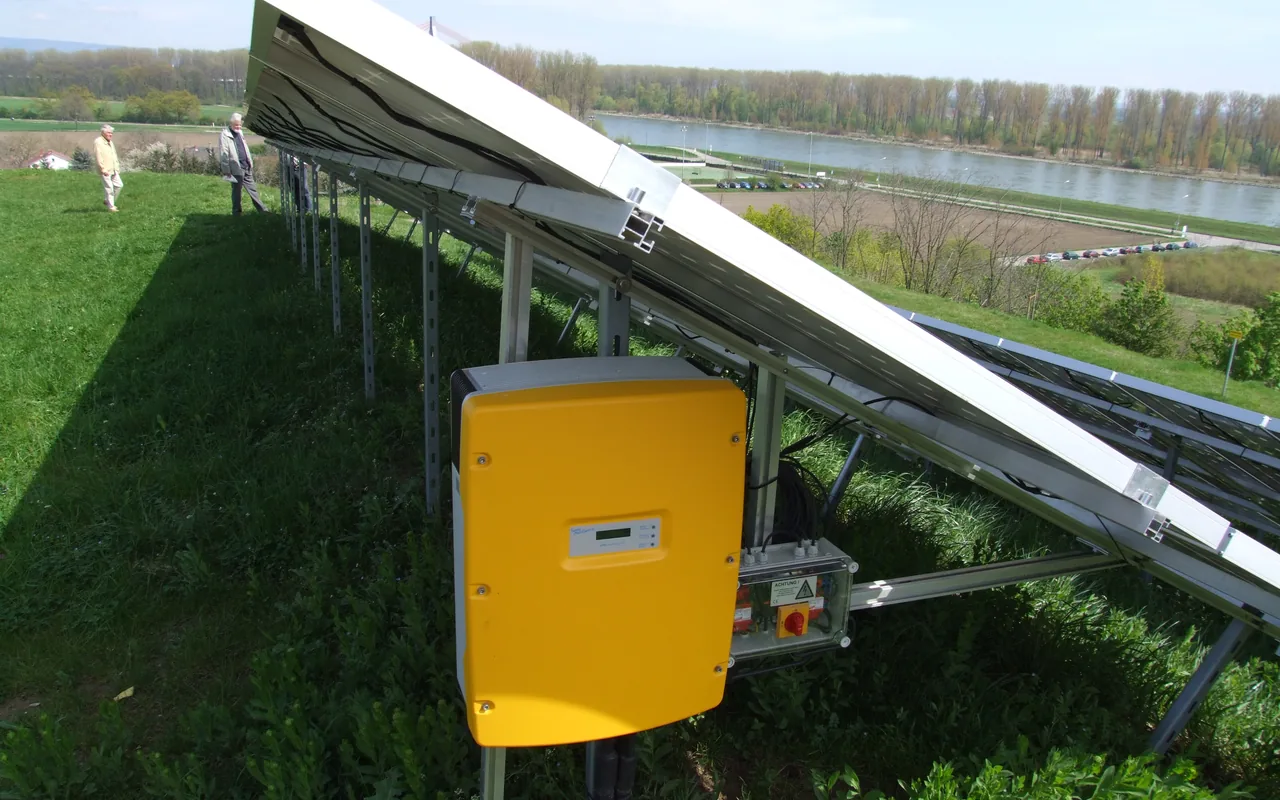
An inverter converts direct current from modules or batteries into usable alternating current. Sizing, MPPT ranges, protection and grid compatibility directly affect availability, safety and system monitoring.

Typical applications

  • Grid-connected solar installations
  • Hybrid systems with batteries
  • Autonomous off-grid sites
  • Plants with multi-inverter monitoring

Technical comparison

Criteria that should appear in every quotation

An inverter converts direct current from modules or batteries into usable alternating current. Sizing, MPPT ranges, protection and grid compatibility directly affect availability, safety and system monitoring.

Describe your needs

Comparison criterion

  • Size AC output, input voltage, MPPT count and operating ranges according to the solar array.
  • Choose grid-tied, hybrid or off-grid architecture according to storage, grid availability and continuity requirements.
  • Verify efficiency, electrical protection, IP rating, cooling, noise level and local grid compliance.
  • Check communication protocols, monitoring software, updates, warranty and spare-parts availability.

Supplier file

  • Official datasheet showing the exact reference, dimensions, materials and declared performance.
  • Certificates and test reports applicable to the product and destination market.
  • Warranty terms, exclusions, duration, claim procedure and spare-parts availability.
  • Packing plan, labelling, quantity per package, dimensions and logistics weight.

Pre-shipment checks

  • Verify references, quantities and conformity with the approved sample.
  • Inspect appearance, dimensions, assembly, finish and markings against the specification.
  • Run functional tests or measurements on an agreed sample before release.
  • Check packing, accessories, documents and transport protection.

Prepare supplier outreach

The information needed to compare supplier offers properly.

A precise request reduces pricing gaps, technical misunderstandings and corrections after sampling.

Specifications

Dimensions, materials, performance, tolerances, finishes, standards and acceptance criteria should be written before manufacturers are contacted.

Supplier capability

MOQ, output, lead time, equipment, subcontracting, warranties, spare parts and references reveal whether the supplier can deliver.

Approval

Samples, tests, documents, labels, packaging and the inspection plan should be approved before production or shipment.

The TRASOU method

From requirements to controlled delivery

01

Define

Product, quantity, target quality, budget, country and schedule.

02

Compare

Suppliers, quotations, capacity, documents and terms.

03

Verify

Samples, compliance, production, packaging and risks.

04

Follow up

Decisions, documentation, shipment and expected delivery.

Frequently asked questions

Common questions about Inverters and conversion solutions

Can you work from an existing reference?

Yes. A photo, technical sheet, drawing, sample or supplier reference can be used as the starting point.

How is quality verified?

Acceptance criteria are defined before outreach and then applied to samples, documents and agreed inspections.

Is the minimum order quantity fixed?

No. MOQ depends on the manufacturer, product, customisation and packaging.

Your next project

Let’s discuss your product, market and constraints.

Start a request
☎WAChat